
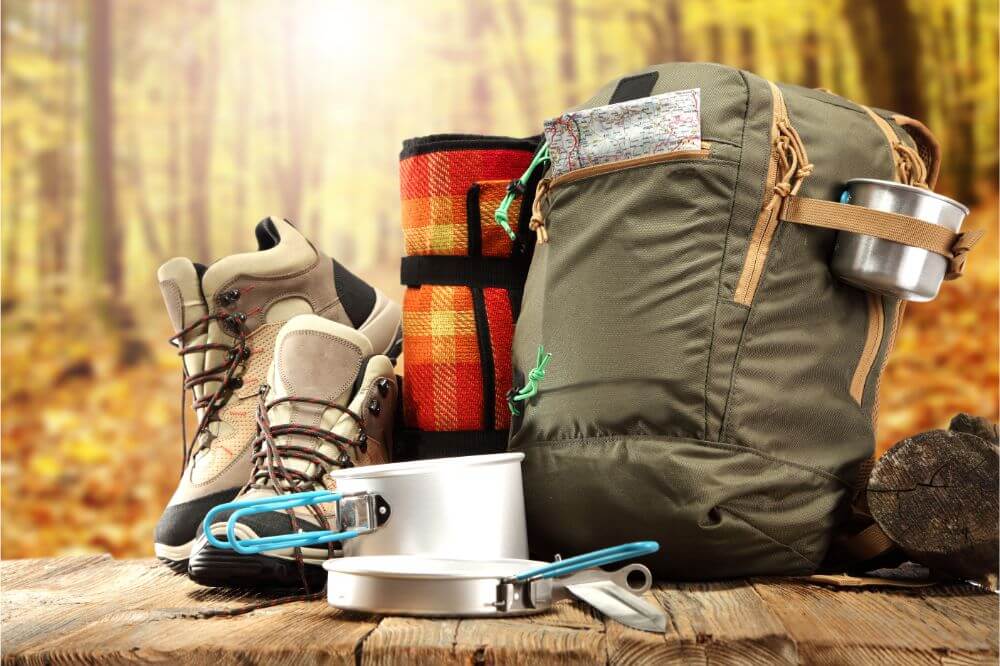
Are you feeling shut up and claustrophobic inside the concrete cage you call your home? Are you experiencing bad moods, feelings of uselessness, depression, or suffering from a lack of sleep? Or, perhaps, are you bored and in desperate need for sustainable amusement? If so, then what you need is the fresh air of a campsite.
Many of us are divided in opinion on whether or not camping in the outdoors is an ideal escape, and some may not consider it very amusing due to all the problems associated with planning and organizing a camping trip.
However, once you have overcome the difficulties, you will be surprised to find that it is an exceptional cure for emotional stress, sleeplessness, and, in general, boredom. It might also be noteworthy to mention that it is a powerful confidence booster.
The hardest and least enjoyable part of camping is most likely taming the chaos of planning and preparing, especially if you are a rookie camper. With a good guide and a few hints and tips, even a newbie will become an organized pro, and, you may even want to plan the next getaway sooner than you think.
Eliminating the turmoil by implementing a structured system will not only ease the effort of the immediate trip, but it would also make it easier to plan and pack the next trip.
The P-System of Camping
No project, task, or vacation will ever be completed or enjoyed to its full potential without applying the proper order and method. To do that, you will need to implement an organized system. When it comes to camping, this is even more necessary. You won’t have a fire if you don’t build one, but how could you build one if you do not know how?
Organizing camping gear can be bothersome and complicated, and doing it wrong might mean you left something essential behind. You don’t want to set up camp, only to realize you forgot your brand new, specially bought Geertop sleeping bag, do you?
From the beginning of the trip to the ride home, using the P-system for camping is an easy way to untie unnecessary knots and debug your trip. It is especially useful for beginners, whose new-found enthusiasm might leave them flustered or even forgetful.
Plan
No camping trip can be done without first planning the trip. If you do decide that you are going camping, then you have likely decided on a location. Doing the necessary research into your chosen location is important, so you can adjust your equipment and prepare for the precautions and weather of that region.
For instance, there might be a warning for malaria in the area, or bears might be in season. Whatever it might be, you’ll need to be prepared. This is especially true if you’re a new camper.
You will need to learn how to camp and what to pack, because no camping trip is the same, and no equipment list can be prescribed for your specific needs. Most lists that you will find will only mention the necessities, but you must make a checklist that includes gear that you will need.
To aid you in planning your equipment checklist, it is best to make use of a priority-focused point structure, meaning that basic needs are placed first, followed by every other item, such as hardware, entertainment, and luxuries. Basic needs will include food and drink, with associated cooking gear, cutlery, and, of course, how you’ll want to cook your food.
It should also include the right kind of clothing for the terrain you would be facing, as well as your means of safely sleeping, such as a tent. Basic needs will also include first-aid kits stocked with allergy medicine if needed, and I might include bug repellent.
You might want to take along hardware equipment for optional ease, which would include utility knives, a small hacksaw for easier woodcutting, rope, and don’t forget a mallet if your old-school tent still has anchoring pens. The list changes for every individual, especially when it comes to entertainment and luxuries. You should plan so that nothing is left out.
Prep
If planning is done in the time leading up to an event, then surely preparation should be done shortly before leaving. During this phase, you go through your checklist for the first time, ensuring that the list, as well as all the gear, is complete and readily packed. Use bins, containers, and Ziploc bags for storing all the gear and small, loose pieces of equipment.
This will ensure it will all stay unspoiled, dry, and intact, and does not disappear shortly before leaving. Also, ensure that all the equipment is functional, and that all consumables are stocked, such as batteries for all devices, including the flashlight. Also, make sure you take any necessary painkillers and medicines, as well as a fresh supply of water if you are camping in a dry region.
Practice
Always make a first practice attempt at camping before you leave, even if it is in your backyard. This will help you to check the list for a second time to be consistent, and it will allow you to familiarize yourself with any new gear.
Beginners will find this third step incredibly useful, especially in practicing your fire building skills and other survival skills that you need. It will also help you to not feel unprepared during your first camping experience, and you won’t look like an idiot struggling with your tent.
Packing
Lastly, on the day of departure, go through the list for a third time when loading the car, and you will notice that most of the effort has already been taken care of. Now, all you need to do is enjoy the trip.

A Basic Beginner’s List of Camping Gear
Basic needs
- Cooking pots and holders
- Frying pan
- Eating and cooking utensils
- Bottle/can/cork opener
- Plates/bowls
- Mugs/cups
- Foldable sink/basin table
- Stove (LPG gas/other), ensure it is fueled
- Matches/lighter/fire starter
- Cooler box/bag with ice/ice pack
- Water/containers
- Dishtowels
- Trash bags
- Tent
- Sleeping bag/pad
- Pillow
- Headlamps/flashlight/lantern and batteries/fuel
- Toiletries
- First-aid kit
- Personal/hygiene products
- Hardware
- Multi-tool/utility knife
- Duct tape
- Extra cord
- Rope
- Saw/axe
- Mallet/hammer
- Small broom and dustpan
- Binoculars
- Navigation equipment/field guides
- Portable camp shower
- Solar charger/power bank
- Basic first aid supplies
- Antiseptic wipes
- Antibacterial ointment
- Compound tincture of benzoin (bandage adhesive)
- Assorted bandages
- Butterfly bandages
- Assorted gauze pads
- Blister treatment
- Sunscreen
- Bug repellents
- Painkillers
- Antihistamine meds if needed
- Clothing
- Long-sleeved shirts
- Long and short quick-drying pants
- Suitable boots/sneakers
- Lightweight fleece/jacket
- Long socks of synthetic or wool
- Rainwear/hats
This is a short and sweet list you could try, but leave space for entertainment and other extras
Conclusion
If you want to enjoy your camping trips more or eliminate those buggy complications of leaving everything to the last moment, then you should implement a strong system and do things in an orderly fashion. If the aforementioned system, the P-principles of camping, does not suit your needs, then, by all means, develop your own unique way of self-discipline that would work for you, just so long as you use a structured plan and leave nothing to chance.
For your convenience and safety, remember to do the necessary research if you are going camping. Double-check your list, and make sure that you included all the gear you could possibly want or need, and that you have fresh supplies of everything. Check that all consumables are well stocked, and, for a final word of advice, never neglect to bring along your friendly camping spirit. Have fun!